


Powerful Black Seed

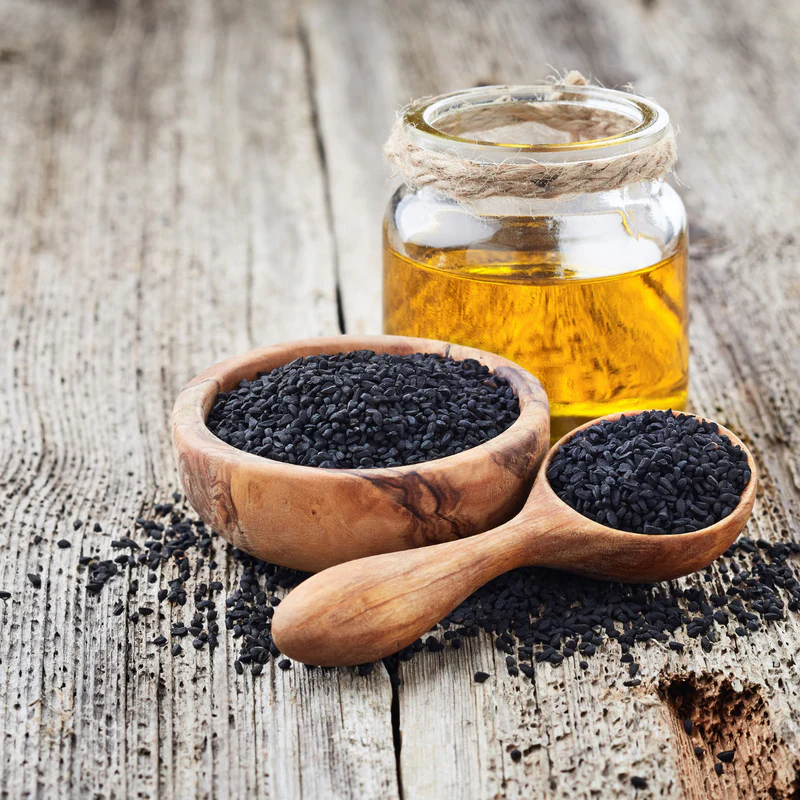
Choose Natural Herbs for your Health
Black seed (Nigella sativa) is a traditional remedy with potential benefits rooted in its antioxidant and anti-inflammatory properties, primarily from the compound thymoquinone. However, most research has involved small studies or animal/lab models, so more high-quality human studies are needed to confirm these effects.
Potential Benefits
Black seed is used in traditional medicine for various conditions, with some evidence suggesting it may help with the following:
Asthma and Allergies: May help improve coughing, wheezing, and lung function in people with asthma and reduce hay fever symptoms when taken orally as a complementary treatment.
Diabetes and Cholesterol: Studies suggest black seed may help lower blood sugar, total cholesterol, and LDL (“bad”) cholesterol levels, and increase HDL (“good”) cholesterol in people with or without diabetes.
Weight Management: Preliminary research indicates that black seed supplements may reduce appetite, body weight, BMI, and waist circumference, particularly when used alongside a healthy diet and exercise.
Skin and Hair Health: When applied topically (often as an oil or gel), it may help improve conditions like acne, eczema, and psoriasis due to its antibacterial and anti-inflammatory properties. It may also boost hair density and shine.
Blood Pressure: It might cause a small reduction in blood pressure in some people, although it is not a replacement for conventional blood pressure medication.
Digestive Health: It is traditionally used to ease digestive issues like gas, bloating, and constipation and may help treat H. pylori infections.
Male Infertility: Some research suggests it may improve sperm count, motility, and semen volume.
Side Effects and Precautions
While black seed is generally considered safe when consumed in food amounts, larger, medicinal doses can pose risks and side effects.
Digestive Issues: Oral consumption can cause stomach upset, nausea, vomiting, or constipation in some individuals.
Allergic Reactions: Applying black seed oil to the skin can cause an allergic rash or contact dermatitis. A patch test is recommended before use.
Bleeding Risk: Black seed might slow blood clotting, increasing the risk of bruising and bleeding. It should be stopped at least two weeks before any scheduled surgery.
Blood Pressure and Blood Sugar: It may lower blood pressure and blood sugar levels. People with low blood pressure or diabetes should monitor their levels closely when using black seed.
Organ Function: There are rare case reports of kidney or liver injury, particularly with high doses, so people with existing liver or kidney issues should be cautious.
Pregnancy and Breastfeeding: Taking amounts greater than those found in food is considered likely unsafe during pregnancy as it can affect uterine contractions. Stay on the safe side and avoid use while breastfeeding.
Drug Interactions
Black seed can interact with several medications. It’s crucial to consult a healthcare professional before using it, especially if you are taking:
Blood thinners (anticoagulants/antiplatelet drugs like warfarin or clopidogrel).
Blood pressure medications (antihypertensive drugs like amlodipine).
Diabetes medications (antidiabetes drugs like insulin).
Sedative medications (CNS depressants).
Immunosuppressants (medications used after a transplant).